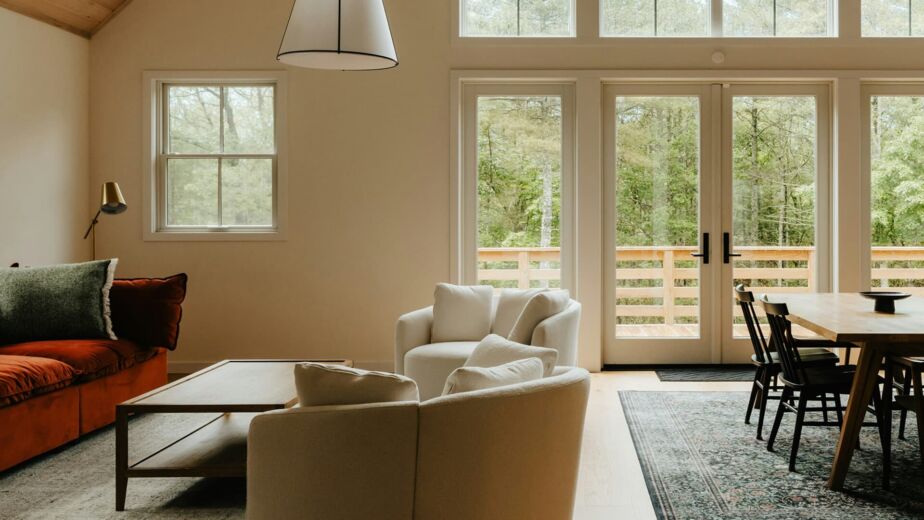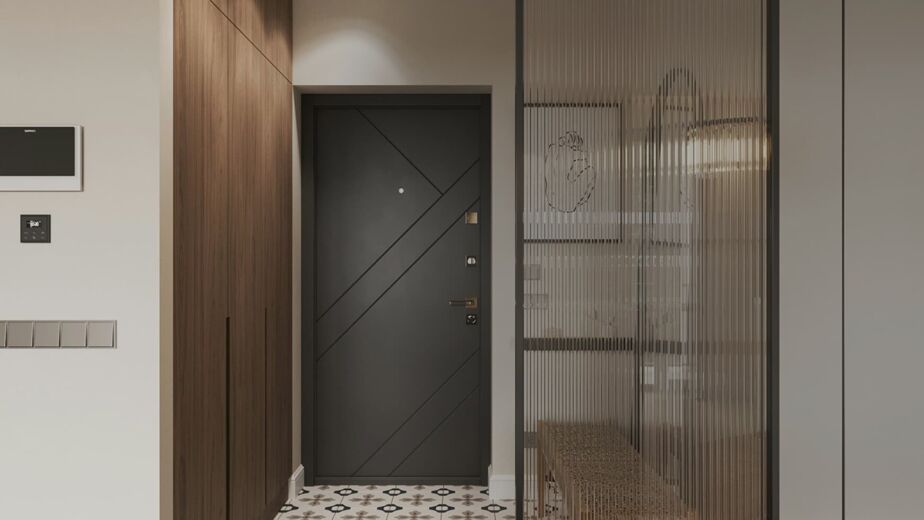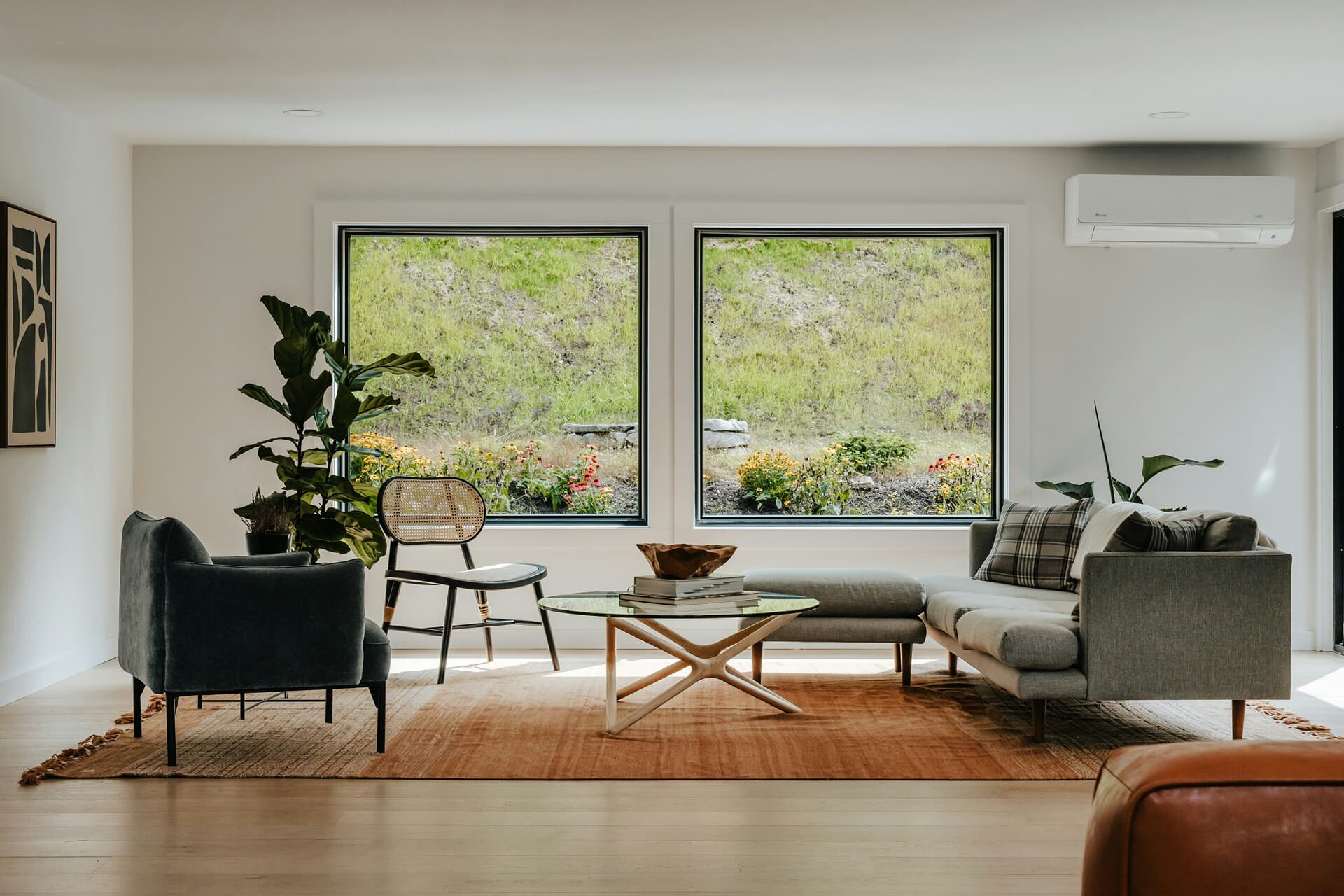
Strong interiors grow from the architecture and the way a home will be used. A renovation should improve light, circulation, storage and comfort before it introduces new finishes.
Build a calm material palette
Choose a small family of complementary materials and repeat them with purpose. Warm neutrals, natural timber, textured stone and soft plaster tones can create depth without visual clutter. Test samples in the actual light before committing.
A considered interior makes everyday routines easier before finishes make it beautiful.
Avendon Building Group
Use curves and arches with restraint
An arched opening, rounded island or softened wall corner can add character to a minimalist interior. The detail works best when its proportions relate to surrounding doors, cabinetry and ceiling lines rather than appearing as an isolated feature.
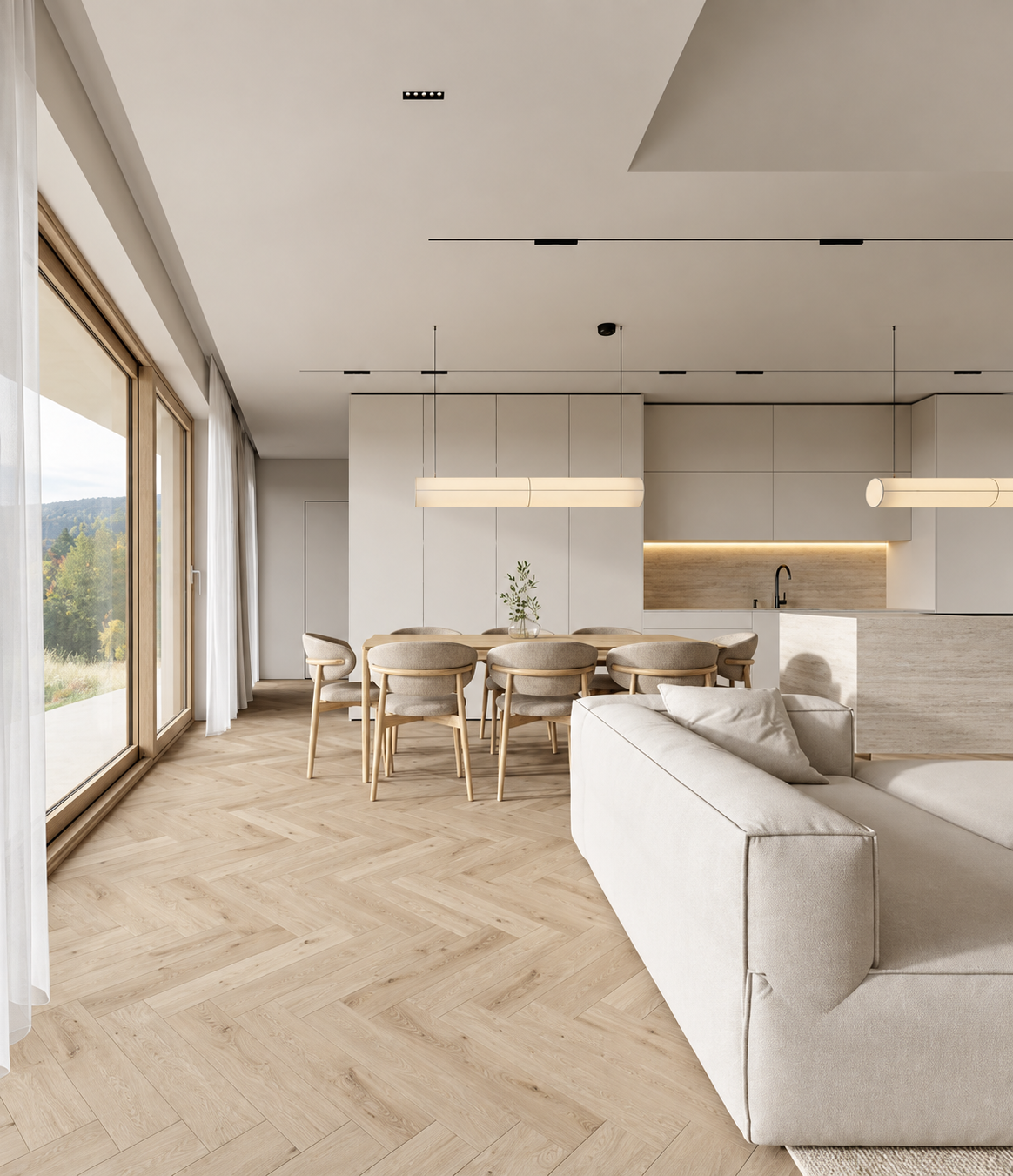
Layer the lighting
Combine general light with task lighting at benches and subtle accent light for artwork, joinery or textured surfaces. Concealed lighting should be coordinated early so channels, drivers and access points are integrated neatly.
Conceal everyday storage
Full-height joinery, appliance cupboards and built-in niches help everyday items disappear while remaining accessible. Good internal organisation matters as much as a clean exterior.
A cohesive interior comes from consistent proportions and carefully repeated details. Resolve the plan first, then choose materials and lighting that support the atmosphere you want the home to have.