
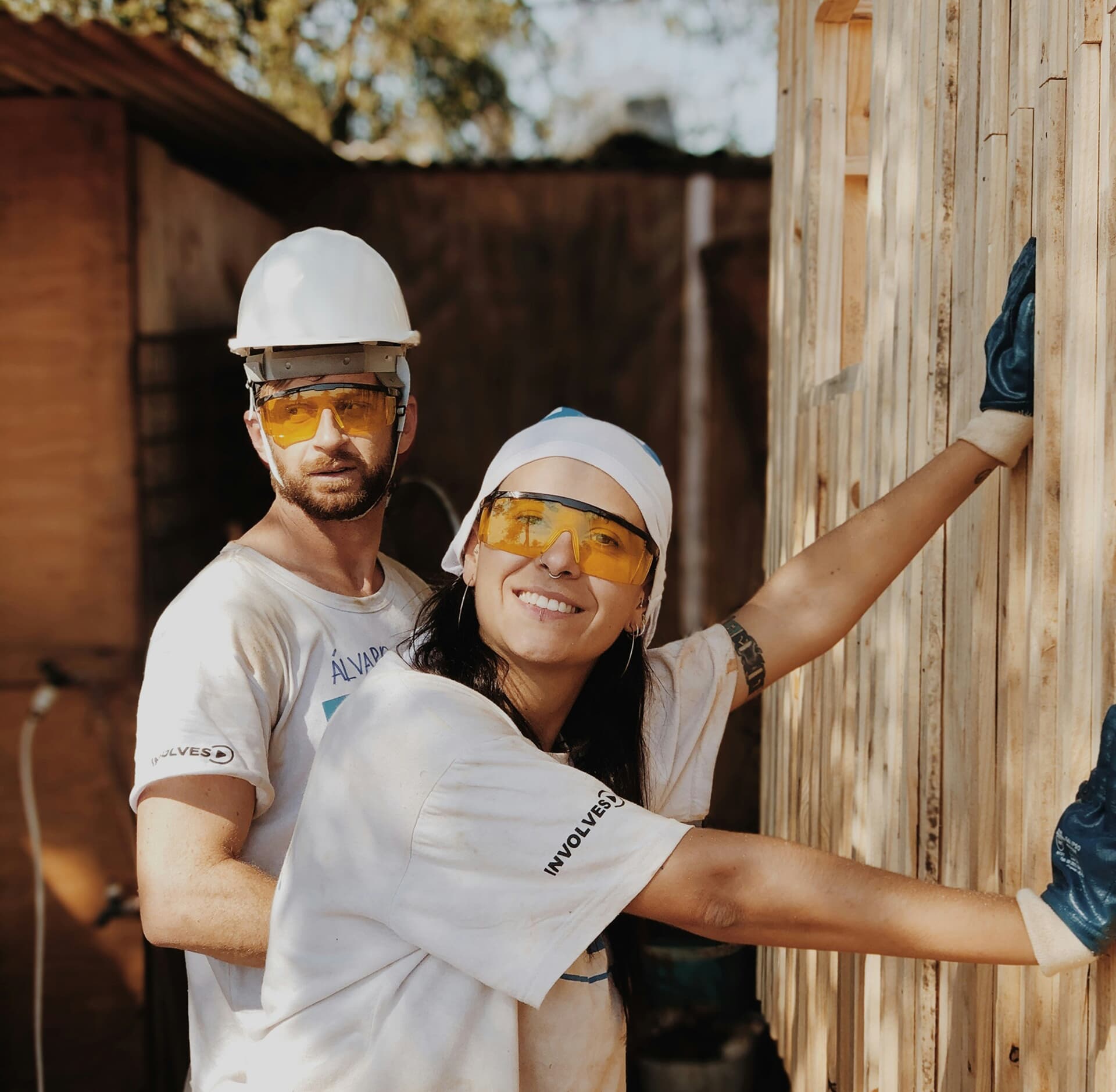
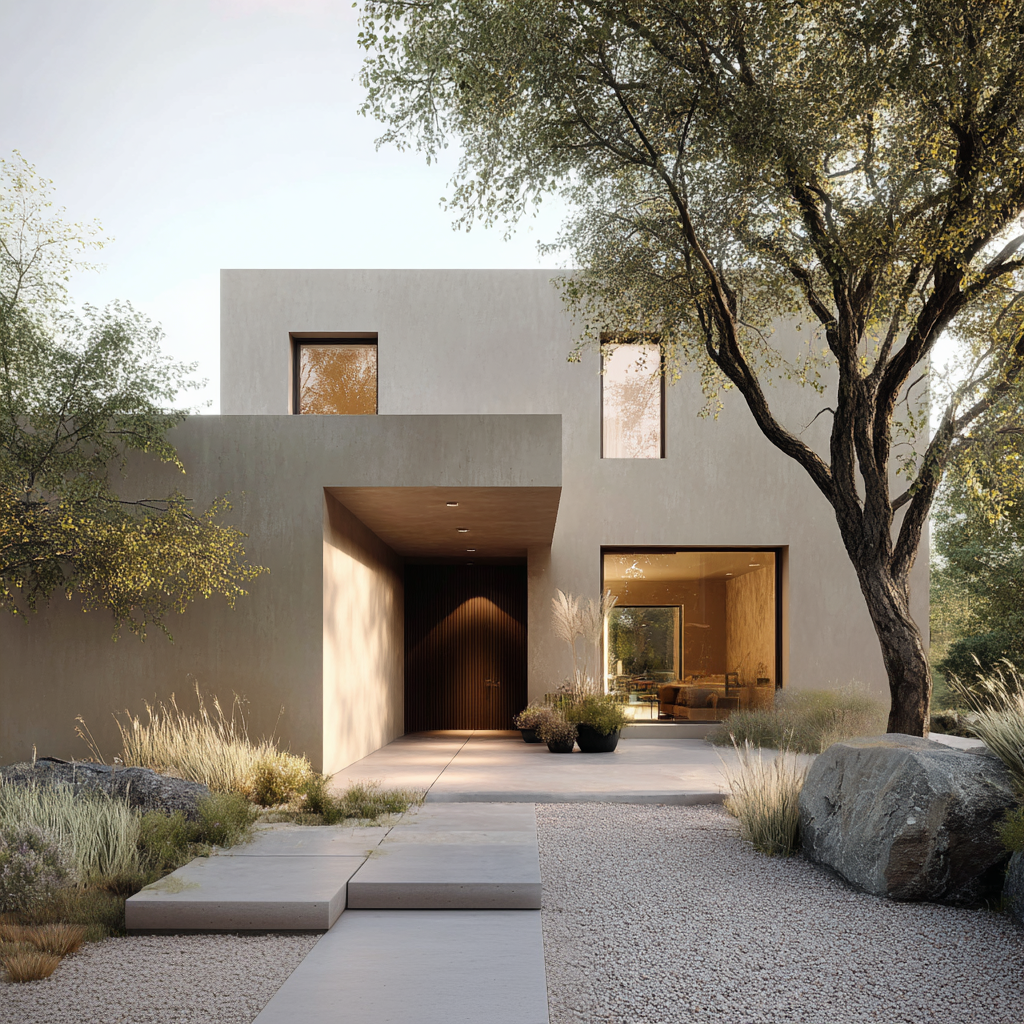
A more sustainable home begins with design decisions, not added products. Orientation, shading, ventilation and a well-resolved building envelope can lower energy use while improving comfort throughout Victoria’s changing seasons.
Let passive design lead
Good passive design uses the site to its advantage. Thoughtful window placement can welcome winter sun while external shading limits summer heat. Cross-ventilation, insulation and careful air sealing also help stabilise indoor temperatures, reducing the need for constant heating and cooling.
Start with orientation, shade and ventilation before adding systems that need power and maintenance.
Avendon Building Group
Choose materials for long-term performance
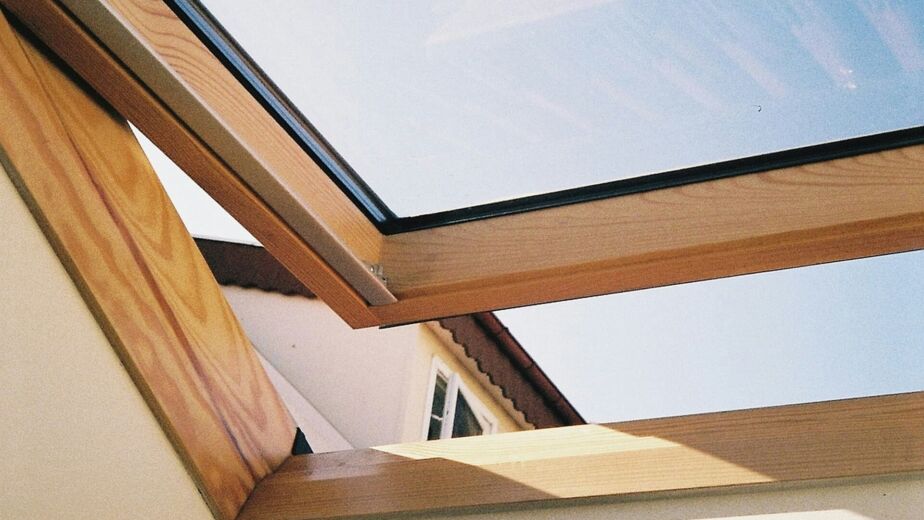
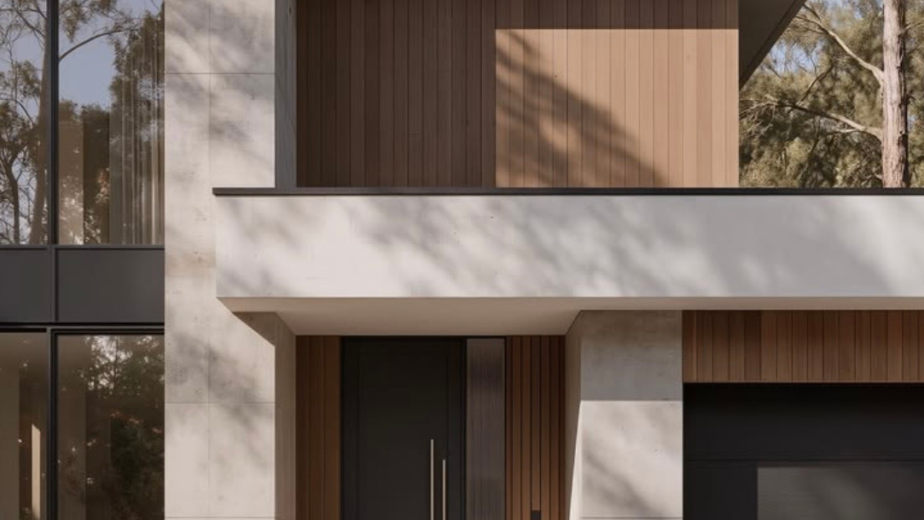
Responsible material selection is about more than appearance. Durable, locally available and lower-emission products can reduce waste and maintenance over the life of a building. Recycled-content products, certified timber and finishes with low volatile organic compounds are practical options when they suit the design, budget and required performance.
Reduce waste and running costs
Accurate planning limits over-ordering and keeps useful materials out of landfill. Clear documentation, coordinated trades and sensible waste separation all contribute to a cleaner, more efficient build. Water-saving fixtures, efficient lighting and provision for solar power can then support lower running costs once the home is occupied.
The strongest outcome is a home that feels comfortable, performs efficiently and can adapt over time. Early coordination between the designer, builder and energy assessor keeps sustainable choices practical and integrated.

2 Comments
Jake Smith
A helpful overview. Involving the designer, builder and energy assessor early is especially important because it keeps sustainable choices practical and coordinated.
Alex Johnson
I appreciate the focus on passive design and durable materials. Reducing energy use through orientation, shading and ventilation makes sense for Victoria’s changing climate.